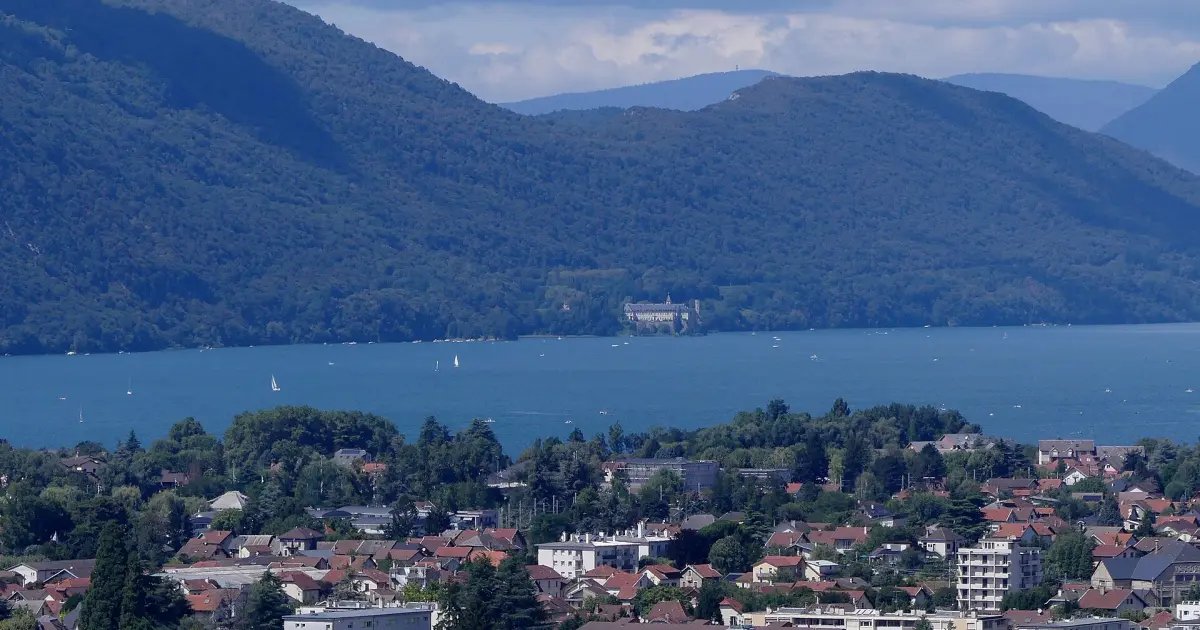
Between Lac du Bourget and the glaciers of the Vanoise, Savoie (department 73) packs an amazing variety of landscapes into just over 6,000 km². Mountain land, former duchy that became French in 1860, cradle of winter sports and cheese country: here is what you need to know to discover it.
A department that is almost entirely mountainous
With nearly 90% of its territory classified as mountain area, Savoie is the second most mountainous department in France, after the Hautes-Alpes. It has around 448,000 inhabitants; its prefecture is Chambéry, and its sub-prefectures are Albertville and Saint-Jean-de-Maurienne.
It borders Haute-Savoie to the north, the Ain to the west, the Isère and Hautes-Alpes to the south, and Italy (Aosta Valley and Piedmont) to the east. Beware of a common mix-up: Mont Blanc, Lake Annecy and the Swiss border are in Haute-Savoie, the neighbouring department.
The territory is organised around major valleys: the Tarentaise, carved by the Isère, the Maurienne, crossed by the Arc, and the Combe de Savoie, between Chambéry and Albertville. Around them rise many mountain ranges: Vanoise, Beaufortain, Bauges, Chartreuse, Belledonne, Lauzière and Mont-Cenis.

The highest point is the Grande Casse (3,855 m), in the heart of the Vanoise massif. This is where the Vanoise National Park, France's first national park, was created in 1963, a refuge for ibex, chamois and marmots.
Remarkable lakes
To the west, Savoie is home to Lac du Bourget, the largest natural lake lying entirely in France, lined by Aix-les-Bains and Hautecombe Abbey. Further south, Lac d'Aiguebelette is known for its clear water: motorboats have been banned there since 1976, making it one of the best-preserved lakes in the country.
A history of dukes and kings
For centuries, Savoie was a state in its own right. The House of Savoy, founded in the 11th century by Humbert the White-Handed, gradually expanded its territory on both sides of the Alps. The county became a duchy in 1416, with Chambéry as its capital, before the capital moved to Turin in the 16th century. The dukes later became kings of Sardinia, then kings of Italy.

The big turning point came in 1860: under the Treaty of Turin, signed on 24 March, Savoie was ceded to France. A plebiscite held in April approved the annexation with more than 99% of the votes, and the departments of Savoie and Haute-Savoie were created in June 1860. In Chambéry, the Château des Ducs de Savoie and its Sainte-Chapelle recall this sovereign past.
A winter sports paradise
Savoie has some sixty winter sports resorts and around a third of France's ski area. They include world-famous names: Les Trois Vallées (Courchevel, Méribel, Val Thorens), Paradiski (La Plagne, Les Arcs), Val d'Isère and Tignes. The department also hosted the 1992 Winter Olympics in Albertville and the Tarentaise resorts.
In summer, it's time for hiking, legendary cycling passes (Iseran, Galibier, Madeleine) and water sports on the lakes.
Food with character
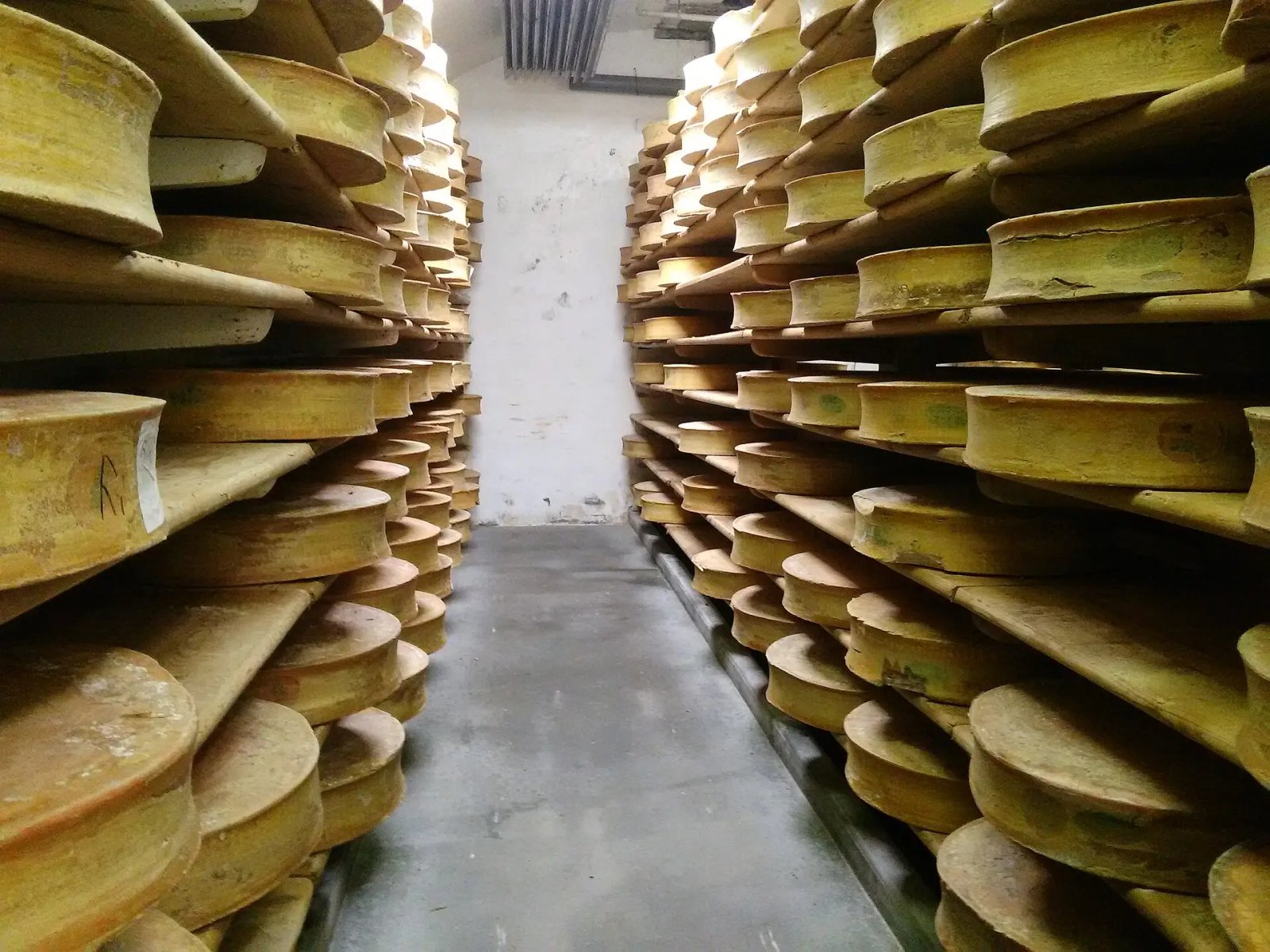
Savoyard cuisine was born from life in the mountain pastures. Cheese is the star: Beaufort, nicknamed the "prince of gruyères", Tome des Bauges, Tomme de Savoie and Reblochon. They are enjoyed in fondue, raclette or tartiflette, alongside diots sausages, crozets pasta and gâteau de Savoie sponge cake.
As for wine, the Savoie slopes produce Apremont, Chignin-Bergeron and Mondeuse, a red typical of the region. And to end the meal, a small glass of génépi, the mountain liqueur.
Sources: Savoie (département) — Wikipédia, Savoie — Wikipedia.
Comments
No comments yet. Be the first!
Add a comment